
These DNA Day Success Stories Show How Afterschool Opens Doors to Life Sciences Careers
[[{“value”:”
From agricultural technology to gene therapy, genomics is transforming how we solve some of the world’s biggest challenges and creating one of the fastest-growing career fields in health and life sciences. But before young people can envision themselves in these careers, they need opportunities to experience the science behind them firsthand.
That’s why each spring, ahead of National DNA Day, STEM Next helps educators bring hands-on DNA science learning to young people nationwide in afterschool programs to excite and inspire them with the wonders of the genome.
This year, with support from the Illumina Foundation, STEM Next provided free DNA activity kits and facilitated trainings that equipped nearly 500 educators to bring hands-on genomics learning to more than 32,000 youth, most of them for the first time.
These three success stories from programs across the country illustrate what happens when young people get access to emerging science through hands-on learning, and a clearer view of where it can take them.
A Quest in Rural West Virginia
Alicen Adkins didn’t want DNA Day to be a one-afternoon event. As director of STEMpact WV in Moorefield, West Virginia, she knows the young people her program serves often lack access to hands-on STEM experiences, and that having more time to learn about these concepts would help create a better genomics foundation for the youth in her program. So she built a four-week Genetics Quest around it.
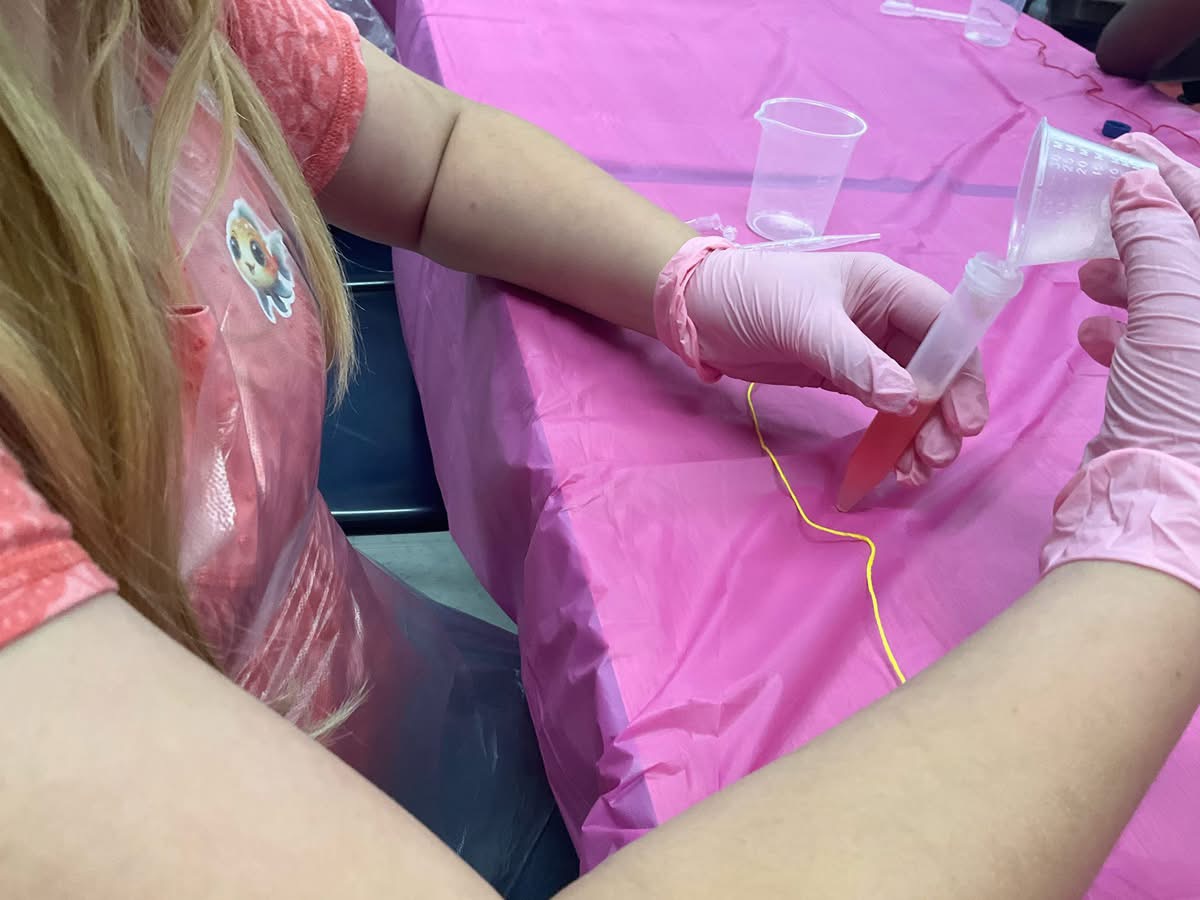
With the STEM Next toolkit as her foundation, Adkins and her team guided youth through an arc of genetics concepts — DNA, heredity, inheritance — that built week by week toward the DNA extraction lab. When that moment finally came, a student looked at the sample she had just created and said, simply, “This is so cool.” For Adkins, it captured something she’d been watching build across the entire program.
“Many students who began the Genetics Quest unsure of their skills became more comfortable engaging with complex concepts, asking questions, and participating in hands-on activities,” she said. “Experiences like the DNA extraction lab helped students realize that they are capable of understanding and doing real science.”
The shift showed up in what young people did next. Several asked to continue into robotics programs. Others expressed interest in future Science Quests. The genomics experience hadn’t just taught them about DNA, it had shown them they belonged in science.
Adkins credits the accessibility of the STEM Next resources for making that kind of sustained programming possible. “The fact that the resources are free makes them incredibly valuable,” she said, “especially for programs serving rural or under-resourced communities.”
Career Conversations in San Diego
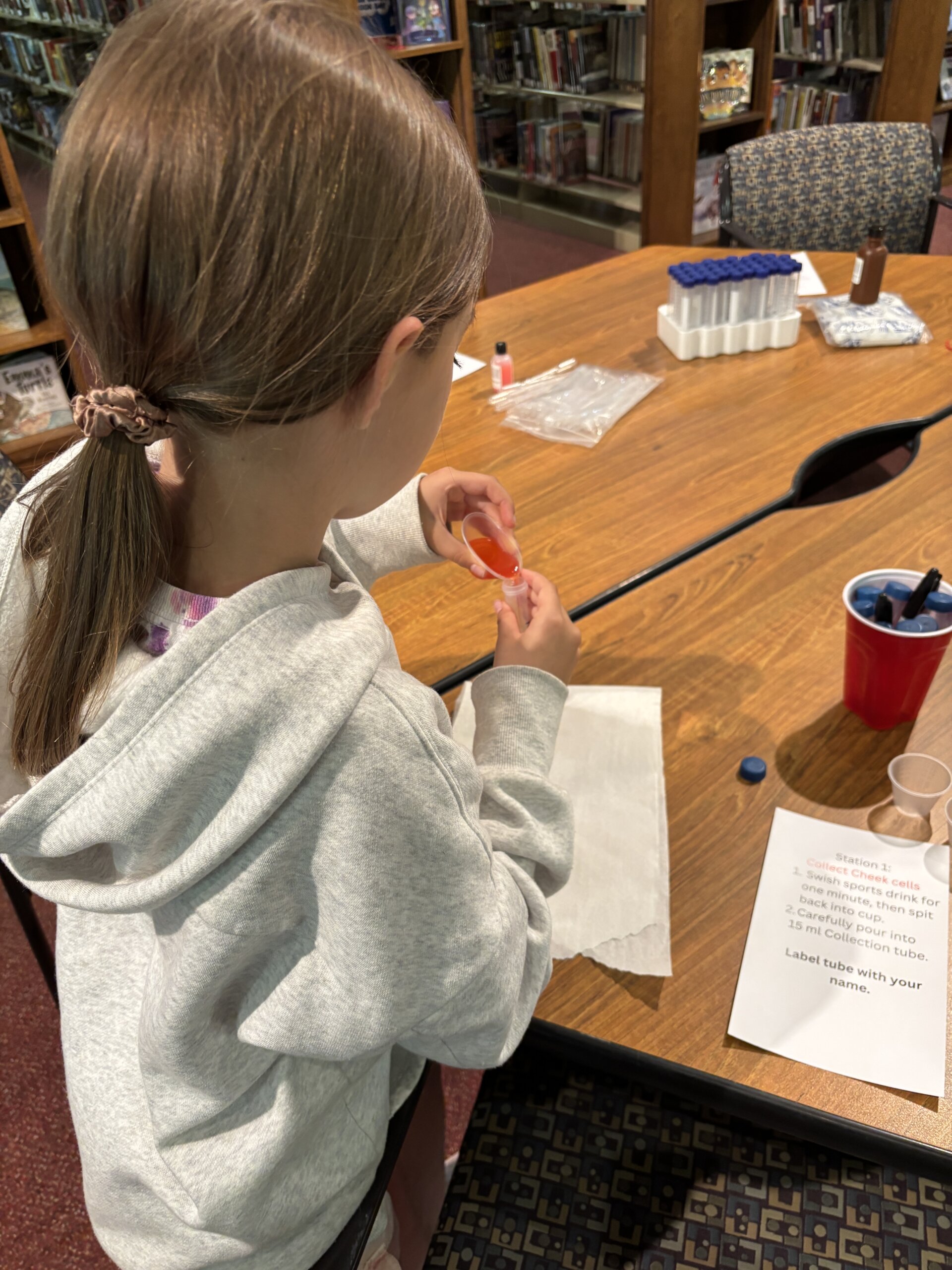
At the BEWiSE program in San Diego, California, program educator Daniela Sanchez Cruz had a specific goal for DNA Day: to connect the science to the people who do it for a living.
She designed two workshops around that idea. Each opened with a woman working in STEM sharing her career path: how she got there, what she does and why it matters. Then, young people moved into the lab for cheek cell and strawberry DNA extractions, building necklaces from the samples they collected. The pairing was intentional: STEM Next’s facilitation guide and training webinar helped Sanchez Cruz structure the experience, giving her a clear roadmap for a program that could have easily felt disconnected without it.
What happened in the room exceeded her expectations. Young people peppered the professionals with questions about their career decisions. Mid-lab, they began comparing results, asking why one person’s DNA looked different from another’s, and requesting the chance to run the extraction again so they could compare more carefully. BEWiSE members came from across the county, and many were meeting each other for the first time.
“During the wait times, some BEWiSE members began sharing their future plans and their interest in working in STEM careers such as research and biotech,” Sanchez Cruz said.
She didn’t prompt those conversations: the combination of real scientists in the room and real science in their hands did. Making these career connections early and often in afterschool settings helps young people see themselves in STEM careers.
A Family Affair in Miami
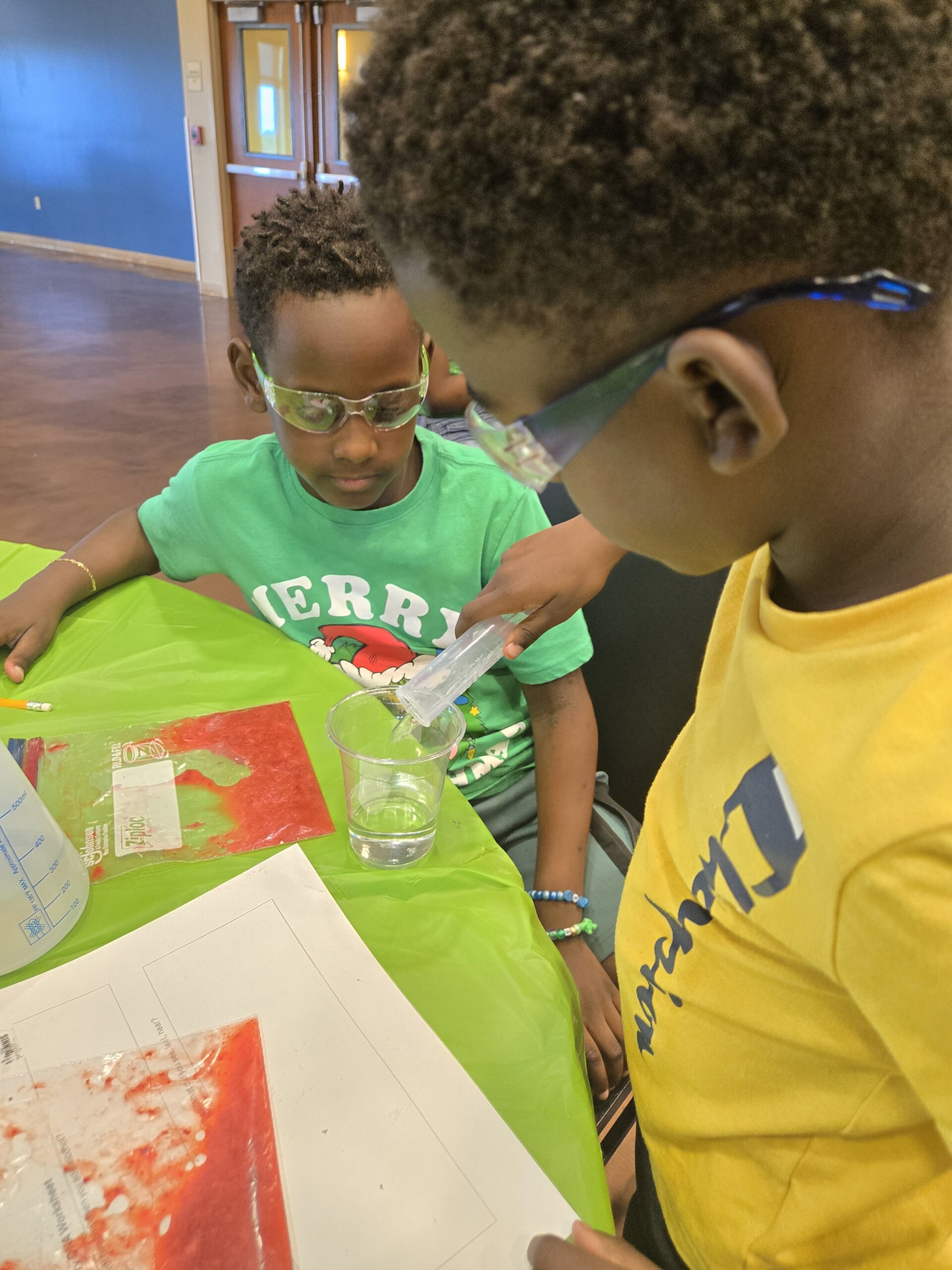
At The Dennis Project in Miami, Florida, Auntaria Johnson took a community approach to DNA Day. In partnership with a local library and municipal partners, she brought the experience into her organization’s monthly Family Science Saturdays, with parents and children participating together.
Johnson came away with a clear verdict: “Parents and children alike learned about genomics and found the experience enriching.”
That outcome points to something worth noting. Genomics education doesn’t have to be delivered to young people alone. When the resources are accessible enough for a community program to integrate into an existing family event, the learning reaches further into conversations between parents and children, which keeps young people engaged in STEM outside of the classroom.
Taking Genomics Beyond DNA Day
All three communities, using different approaches, show us the same result: with access to unique science activities and resources, young people can explore careers they never considered.
Stories like these are made possible by STEM Next’s partnership with Illumina, an international leader in the genomics industry. This partnership ensures that genomics education, and STEM education more broadly, reaches young people who might never encounter it otherwise in rural communities, under-resourced programs and afterschool settings where hands-on science is the exception, not the norm.
Genomics learning in afterschool and summer programs doesn’t stop when DNA Day ends. Check out our DNA Learning resources for more resources, including our Genomics Learning Journeys that can be used all year long.
The post These DNA Day Success Stories Show How Afterschool Opens Doors to Life Sciences Careers appeared first on STEM Next.
“}]]