

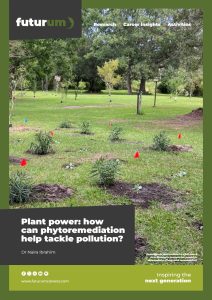
Plant power: how can phytoremediation help tackle pollution?
[[{“value”:”
Plant power: how can phytoremediation help tackle pollution?
For decades, industrial activity has been polluting our soils, waters and air with toxic metals. This threatens wildlife, contaminates food supplies and puts human health at risk, but a potential solution has been growing around us all along. Dr Naira Ibrahim from Jackson State University in the US is investigating the power of plants to absorb toxic metals from contaminated environments. Through her research, Naira has discovered that some remarkable plants may not only be able to help restore damaged ecosystems, but could also play a role in human medicine.
Talk like an environmental scientist
Genetic sequencing — a method used to read the order of DNA building blocks to understand genetic information
Heavy metals — metals that can be harmful to living things when present in high amounts, such as lead, cadmium and zinc
Ornamental plants — plants grown mainly for their appearance, such as for gardens, landscaping or decoration
Phytoremediation — the use of plants to remove, reduce or control pollutants in soils, water or air
Enhanced weathering — a method of speeding up natural rock breakdown so that they absorb more carbon dioxide from the atmosphere
From industrial waste and oil spills to mining and agriculture, human activities release a wide range of pollutants into the environment, including toxic metals such as cadmium (Cd), lead (Pb) and zinc (Zn). These can linger for decades, contaminating food crops and drinking water and increasing the risk of serious health problems, including damage to the brain, kidneys and nervous system. So how can we clean up these stubborn pollutants without causing even more harm?
“Phytoremediation is a sustainable, nature-based technology that uses plants to remove, stabilise or detoxify pollutants from soil, water and even air,” says Dr Naira Ibrahim from Jackson State University. “Certain plants have the remarkable ability to absorb contaminants such as heavy metals through their roots and either store them safely within their tissues or transform them into less harmful forms.”
Nerium oleander
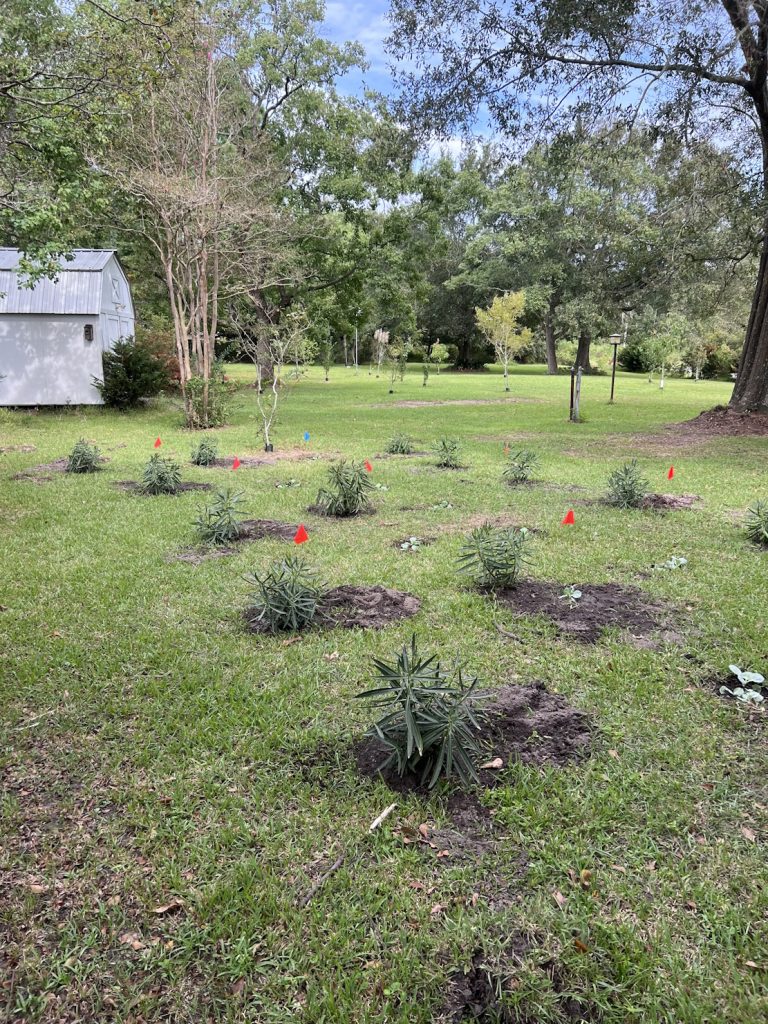
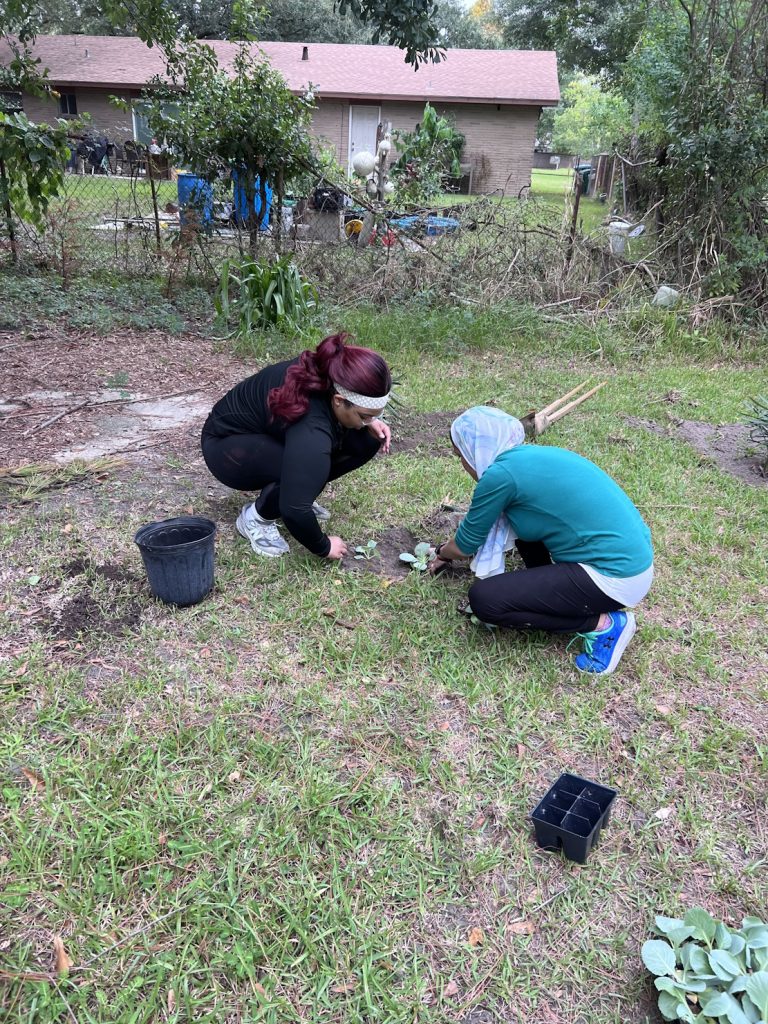
Naira is investigating the phytoremediation potential of ornamental plants. “Some plants act like natural filters, extracting pollutants such as toxic metals from contaminated environments while continuing to grow and improve soil quality,” says Naira. “Compared to conventional methods such as excavation or chemical treatment, phytoremediation is more affordable, environmentally friendly and sustainable. It requires less energy, produces minimal waste, preserves soil structure, enhances biodiversity and creates green spaces instead of disturbing ecosystems. It also provides long-term environmental benefits while reducing clean-up costs for communities.”
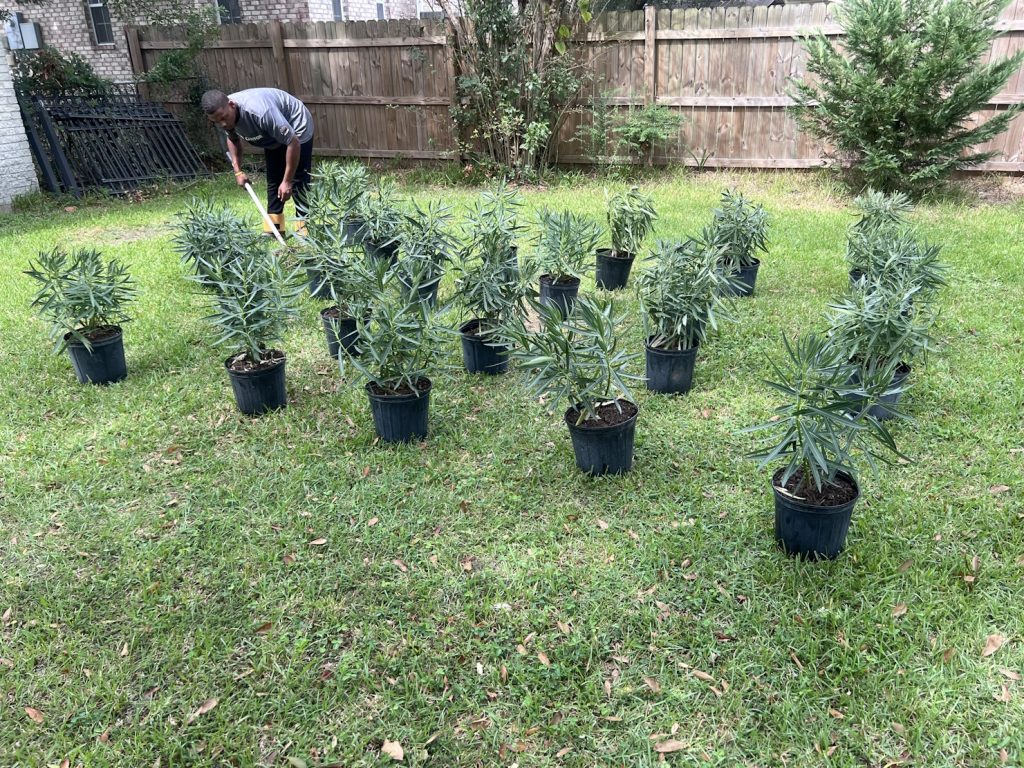
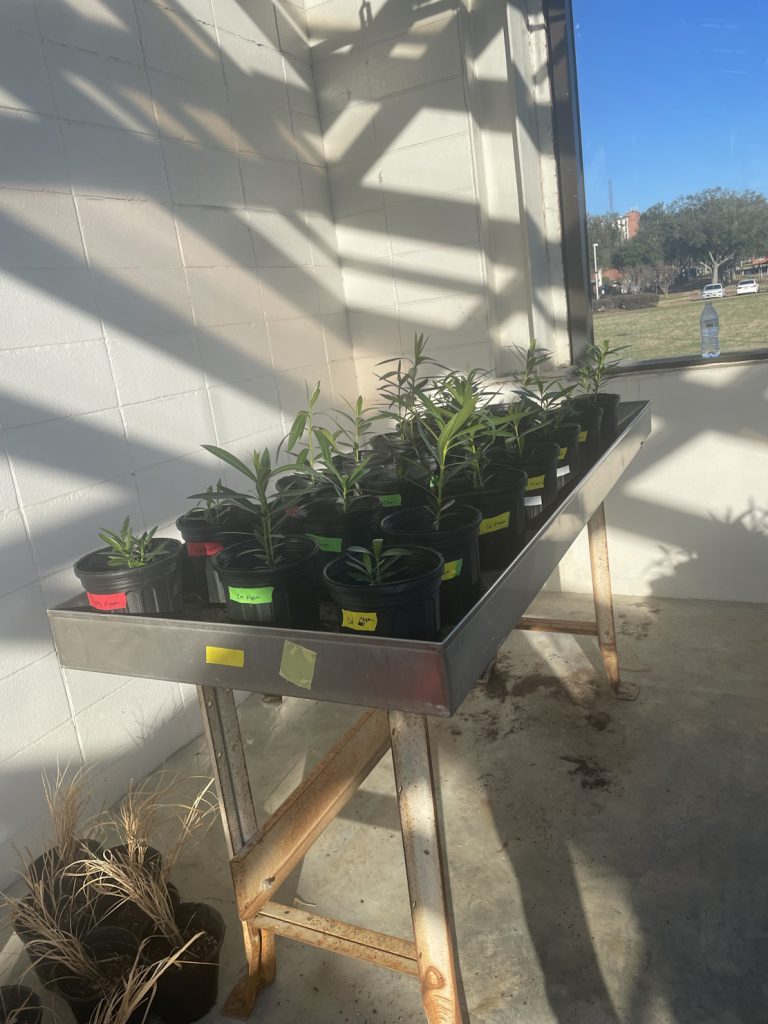
Naira’s research is focussed on Nerium oleander, an evergreen shrub with pink, red or white sweetly-scented flowers. This plant has specialised transport proteins which enable it to absorb toxic metals through its roots. “Once inside the plant, these materials are transported into different tissues – including roots, stems and leaves – where they are safely stored within cellular compartments, minimising damage to the plant itself,” says Naira. “Our research has shown that N. oleander is highly tolerant of contaminated environments because it possesses natural defence systems that protect it from heavy-metal toxicity.”
Enhanced weathering
Naira is interested in how phytoremediation can be boosted when combined with enhanced weathering, an innovative climate-change mitigation strategy that accelerates a natural geological process. “Finely crushed silicate rocks, such as basalt, are applied to agricultural or contaminated soils where they react with rainwater and atmospheric carbon dioxide (CO2),” explains Naira. “This reaction permanently stores carbon in stable mineral forms, removing it from the atmosphere and improving soil fertility.”
Beyond capturing carbon, enhanced weathering can improve soil health by releasing essential nutrients for plant growth and helping trap toxic metals, reducing their movement into groundwater. Combining this with phytoremediation could offer a powerful strategy for restoring polluted land. “When grown in soils treated with enhanced weathering minerals, N. oleander benefits from improved soil fertility and healthier growing conditions,” says Naira. “Meanwhile, the rock amendments help reduce heavy-metal mobility while the plant actively extracts contaminants.”
The genetics behind N. oleander
To understand what makes N. oleander such an effective natural clean-up tool, Naira is investigating the genes that allow the plant to absorb, transport and safely store toxic metals. The research combines plant biology, environmental science, genomics, microbiology and bioinformatics to uncover how the plant responds when it encounters pollution.
Using genetic sequencing, Naira can identify which genes are activated when N. oleander grows in contaminated soils and which microbes improve the plant’s ability to enhance the soil. Additional techniques, including imaging methods such as X-ray fluorescence and analysing root-associated microbes, reveal how plants and microorganisms work together to enhance the soil.
“Combining these techniques allows us to identify which genes become active when plants are exposed to heavy metals and how microbes contribute to improving phytoremediation efficiency,” says Naira.
Plant power – environmental and medical applications
Early findings show that when N. oleander is planted in contaminated soils, it switches on a range of genes that help transport toxic metals, defend against damage and protect its own cells in stressful conditions. Naira’s research also highlights the importance of interactions between plant genes and beneficial soil microorganisms.
“In the future, this knowledge could help scientists develop improved phytoremediation plants through selective breeding or biotechnology, leading to faster, safer and more efficient cleanup of contaminated land and water,” says Naira. “Ultimately, this research has applications in environmental restoration, sustainable agriculture, climate resilience, public health and even future space agriculture.”
The research has also revealed exciting hidden potential beyond environmental cleanup. “N. oleander produces several bioactive compounds with antimicrobial, antioxidant and anticancer properties,” says Naira. “Our current research is investigating whether extracts from this plant can inhibit the growth of colorectal cancer cells.”
Community engagement
In Mississippi, where decades of intensive industrial activity have contributed to environmental contamination, Naira is working with communities to explore sustainable solutions. “We are collaborating with local stakeholders, students and environmental partners to evaluate contaminated sites, monitor soil and water quality, and identify sustainable remediation strategies,” says Naira. “We are aiming to reduce environmental pollution, improve ecosystem health, support community resilience and provide scientific data that can guide future environmental management and policy decisions.”
Looking ahead, Naira is exploring how genetics and microbes can make phytoremediation even more effective. “One of my long-term goals is to develop environmentally sustainable technologies that simultaneously clean contaminated soil and water, improve agricultural productivity, reduce greenhouse gas emissions, and protect public health,” she says. “I also hope to continue mentoring students from diverse backgrounds and preparing the next generation of scientists to solve complex environmental challenges through interdisciplinary research.”
Dr Naira Ibrahim
Associate Professor of Environmental Science, Department of Biology, Jackson State University, USA
Fields of research: Environmental science; phytoremediation
Research project: Studying the genetic basis of phytoremediation in Nerium oleander and exploring its potential health benefits
Funder: US National Science Foundation (NSF)
About environmental science
The choices we make and the actions we take shape the future of our planet, and if you are curious about how to make positive changes to our environment, then environmental science may be the career for you. Environmental science explores how land, water, air, plants, animals and people are all connected, and what happens when those connections are disrupted.
“Environmental science allows us to solve global challenges including pollution, climate change, biodiversity loss and water quality,” says Naira. “It offers exciting careers in research, government, industry, conservation, biotechnology and environmental consulting.” Opportunities in the field are as varied as the many different environments on our planet, including specialising in wildlife conservation or marine biology, developing renewable energy sources or sustainable agricultural methods, or tackling pollution using plants, like Naira.
Reference
https://doi.org/10.33424/FUTURUM728
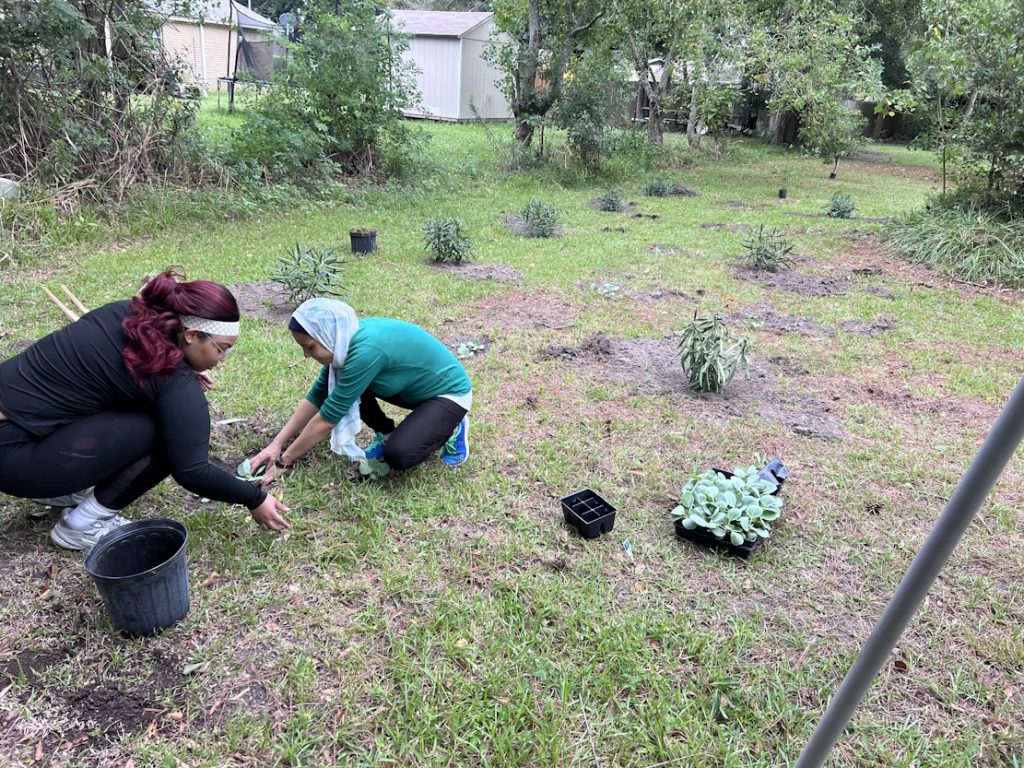



Within those areas, roles can also be incredibly varied. For Naira, “A typical day includes teaching, supervising laboratory research, analysing environmental and genomic data, writing grant proposals, publishing research and collaborating with scientists.” An important part of her work is mentoring students from diverse backgrounds and creating opportunities for them such as supporting her work with communities in Mississippi.
Naira is keen to emphasise the interdisciplinary nature of environmental science and how it brings together knowledge and expertise from many different fields. She says, “Environmental science combines plant biology, genetics, microbiology and environmental chemistry to develop sustainable solutions for pollution, climate resilience and healthier communities.”
Environmental science is evolving quickly, and newer developments in the field involve the use of artificial intelligence, satellites and drones. Future environmental scientists may even get to play an important role in space exploration by creating sustainable ecosystems for space agriculture using tools such as phytoremediation that have been discovered here on Earth.
Pathway from school to environmental science
“Students should study biology, chemistry, environmental science, mathematics, physics, computer science, data analysis and statistics,” says Naira. “Environmental problems are interdisciplinary and require teamwork, persistence, critical thinking and strong analytical skills.”
Naira encourages students to seek out internships or work experience opportunities, or volunteer to support research projects.
Explore careers in environmental science
Explore the American Society of Plant Biologists, the Institution of Environmental Sciences or the American Geophysical Union for useful resources, career advice and opportunities to attend events and meet professionals in the field. You could even consider joining as a student member.
You can learn more about the work of Naira and her colleagues in the Department of Biology at Jackson State University on their website.
Meet Naira
As a teenager, I was fascinated by plants and nature. Learning how plants interact with the environment inspired me to pursue environmental science and phytoremediation research.
I enjoy discovering new knowledge while mentoring students and helping them become independent scientists.
I am motivated by developing sustainable solutions that improve environmental and human health while inspiring the next generation of scientists.
Key to my success have been persistence, curiosity, collaboration, continuous learning and mentoring.
To unwind from work, I enjoy spending time with my family, gardening, reading scientific literature and spending time outdoors.
Naira’s top tips
Never stop asking questions. Work hard, seek mentors, stay curious and remember that every scientist begins by learning one step at a time.
Do you have a question for Naira?
Write it in the comments box below and she will get back to you. (Remember, researchers are very busy people, so you may have to wait a few days.)

Discover how environmental scientists are using plants to clean contaminated soil:
The post Plant power: how can phytoremediation help tackle pollution? appeared first on Futurum.
“}]]