
Chronic pain in teenagers: the risks of self-medicating with cannabis
[[{“value”:”
Chronic pain in teenagers: the risks of self-medicating with cannabis
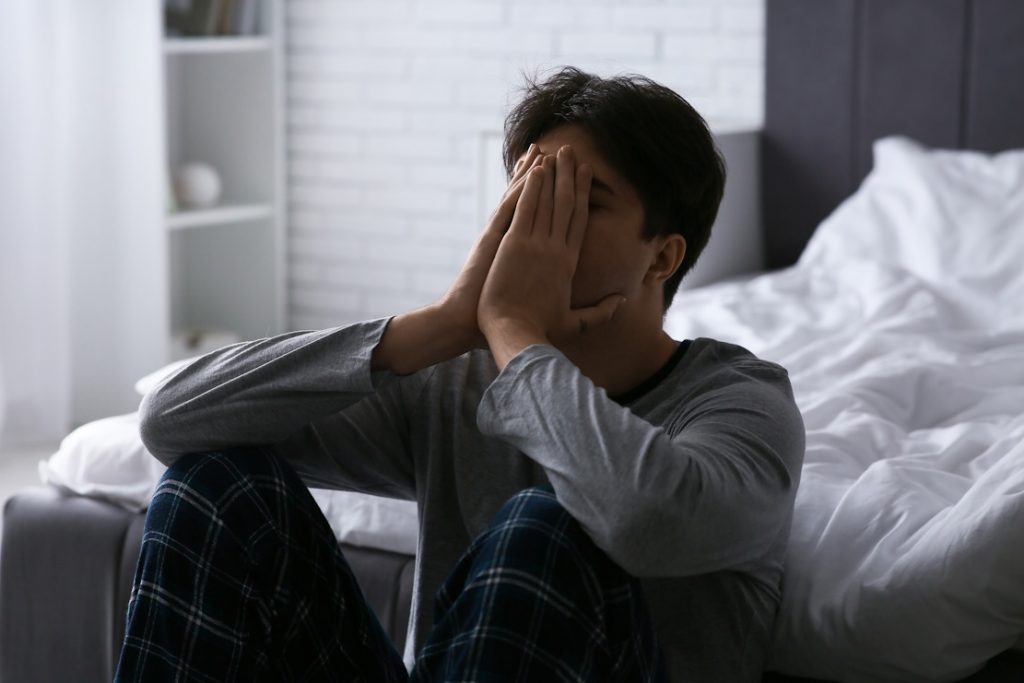
Imagine developing pain somewhere in your body, which starts to affect your sleep, mood, energy levels, physical activity, anxiety and ability to concentrate. Despite doing your best to make it go away, it is still there months later. To what lengths would you go to stop it? At Harvard Medical School and the Boston Children’s Hospital in the US, Dr Joe Kossowsky is investigating chronic pain in teenagers, and the methods they are using to manage it.
Talk like a paediatric pain researcher
Cannabis – a drug that can affect your brain and impact sleep, anxiety and energy levels
Cannabis use disorder – a problematic pattern of cannabis use that negatively impacts other areas of someone’s life
Chronic pain – pain that lasts for longer than three months in one or more parts of the body
Circadian – recurring naturally on a 24-hour cycle
Deep sleep – an important and restorative stage of sleep where the body is truly relaxed
Paediatrics – the branch of medicine focused on children
Self-medicate – the use of drugs to treat a condition without a doctor’s advice
Wearable device – an electronic device worn on the body or implanted, monitoring health data such as heart rate, blood oxygen levels or sleep
“Approximately one in five young people experience pain lasting longer than three months at a time,” says Dr Joe Kossowsky, Assistant Professor of Anaesthesia at Harvard Medical School and Director of the DART Lab at Boston Children’s Hospital.
In teenagers, chronic conditions might include headaches, back pain, repeated migraines, nerve pain, stomach aches or fatigue. Unsurprisingly, these conditions can have significant impacts on someone’s life, and dealing with them can be challenging. “In addition to physical limitations, chronic pain in adolescence is associated with school absences, social difficulties, depression, anxiety and reduced quality of life,” explains Joe. “Importantly, adolescent pain can also persist into adulthood, increasing the risk for long-term physical and mental health challenges.”
Cannabis as pain relief
Joe is a paediatric pain researcher studying how teenagers try to manage chronic pain. Of the teenagers with chronic pain that Joe has worked with, almost a quarter use cannabis to self-medicate. “Among those, more than 75% report using it to treat physical or psychological symptoms,” he says.
Joe has found that teenagers’ top three reasons for using cannabis are to alleviate their pain, reduce their anxiety and help them sleep. By combining daily smartphone questionnaires, wearable devices and clinical data, Joe is investigating what impact this cannabis use is having on them.
Data from technology
“Although clinical data from hospitals provide valuable information, this is only a snapshot of a patient’s health,” says Joe. “Often, little is known about what is happening to patients between visits.”
By using smartphones, teenagers in Joe’s study answer questions throughout the day, regarding their pain, mood, anxiety, fatigue and concentration, as well as when they have taken any substances. “This means we can examine how symptoms change hour-to-hour and day-to-day, which allows us to identify patterns over time. For example, whether poor sleep precedes increased pain or substance use the following day,” explains Joe. “It also gives teens the opportunity to contextualise their data, helping us better understand their lived experiences and, ultimately, inform more effective treatments.” For Joe and his team, it is important that there is no judgement in their work – they are collecting these valuable data to help the teenagers manage their pain, not to criticise them.
The team combines the smartphone surveys with real-time health data from wearable devices, such as Fitbits and sleep and heart rate monitors. This combination of data gives the team a complete picture of what the teenagers’ lives are like, and the real impacts of chronic pain and the substance they are using to self-medicate.
Expectation versus reality
Joe’s findings show that although cannabis can seem to help to begin with, it often makes issues worse in the long-term. “Cannabis may help teens fall asleep more quickly in the short-term, but it can reduce the amount of time spent in deep sleep, which is important for physical recovery, emotion regulation and memory consolidation,” says Joe. Compared to people who start using cannabis in adulthood, under 18-year-olds are also four to seven times more likely to develop cannabis use disorder through repeated cannabis use.
“One of our most important findings has been demonstrating how tightly interconnected sleep, pain, stress and functioning are during adolescence,” says Joe. “In a recent adolescent sample, we found that sleep quality explained 82% of the association between stress and school functioning and nearly 62% of the association between stress and pain.” This means that once someone starts sleeping badly, the effect that the resulting physical and mental stress has on their school performance and pain sensitivity might become much more significant. “Adolescents who use cannabis also report greater day-to-day functional impairment, suggesting that what feels helpful in the moment may contribute to longer-term challenges,” adds Joe.
Better alternatives
Now that their initial research stage is done, Joe and his team are focusing on finding new ways for young people to manage chronic pain – alternatives that do not come with the harmful long-term effects of cannabis use. “We are developing prevention strategies grounded in cognitive-behavioural therapy, mindfulness-based stress reduction, and behavioural pain management,” says Joe. “Healthy coping skills for stress and sleep may be the most effective prevention strategies for pain.”
Reference
https://doi.org/10.33424/FUTURUM685
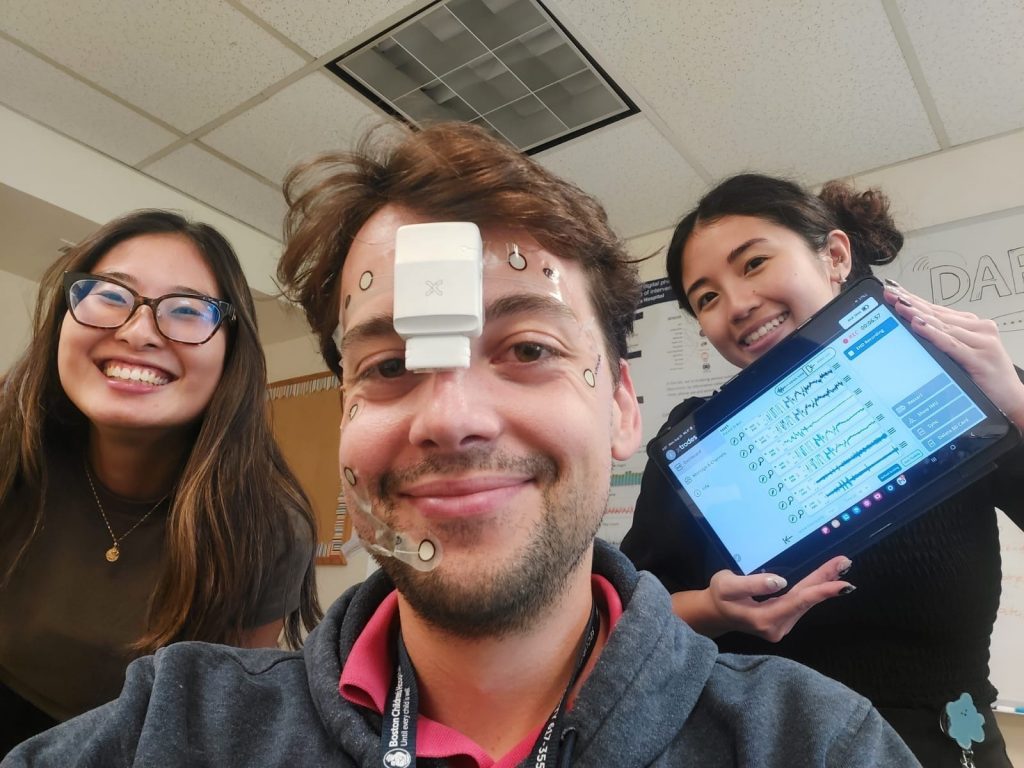
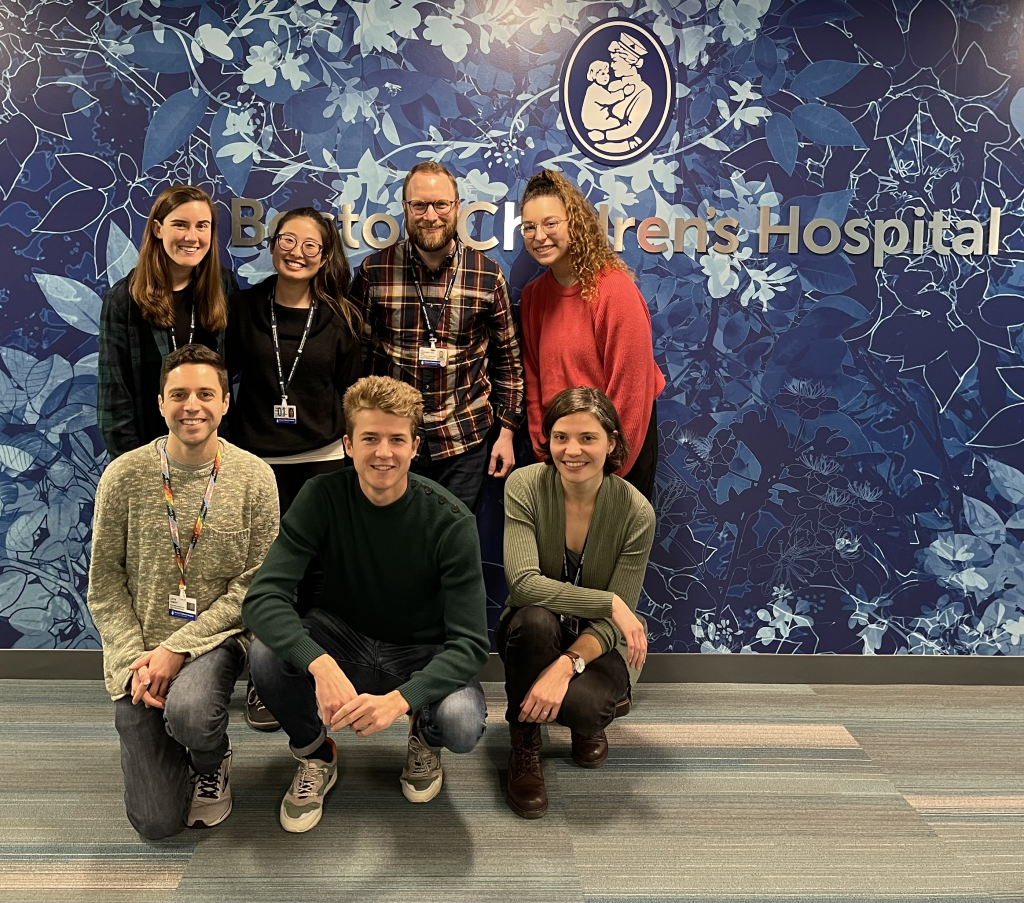
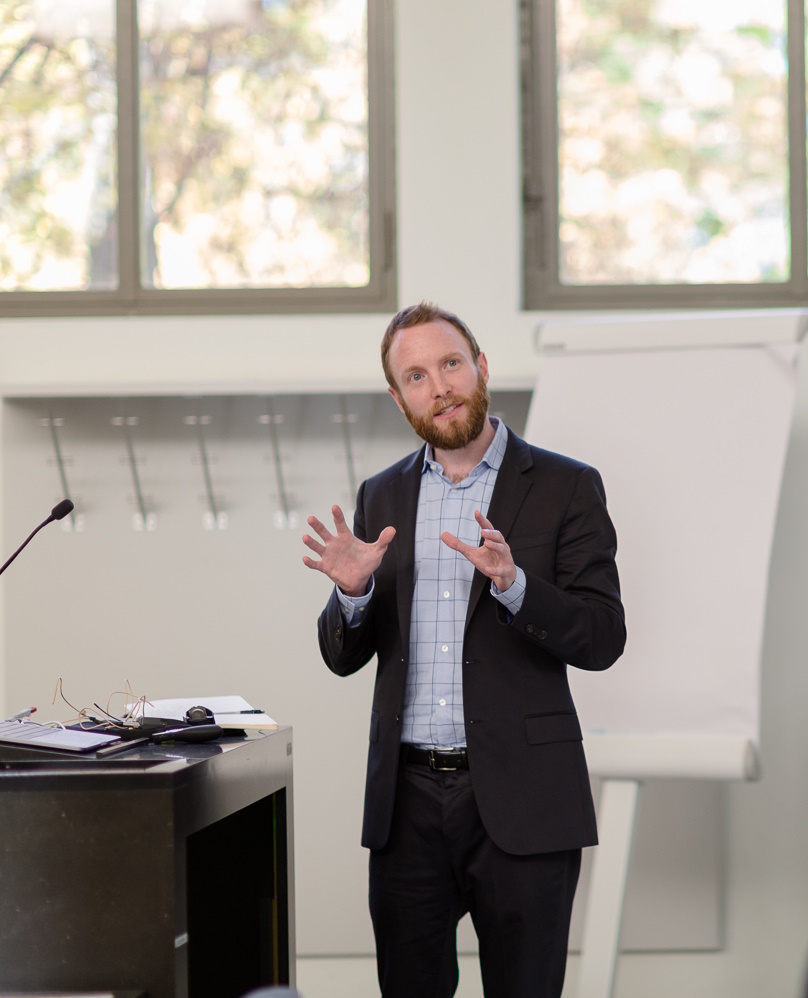
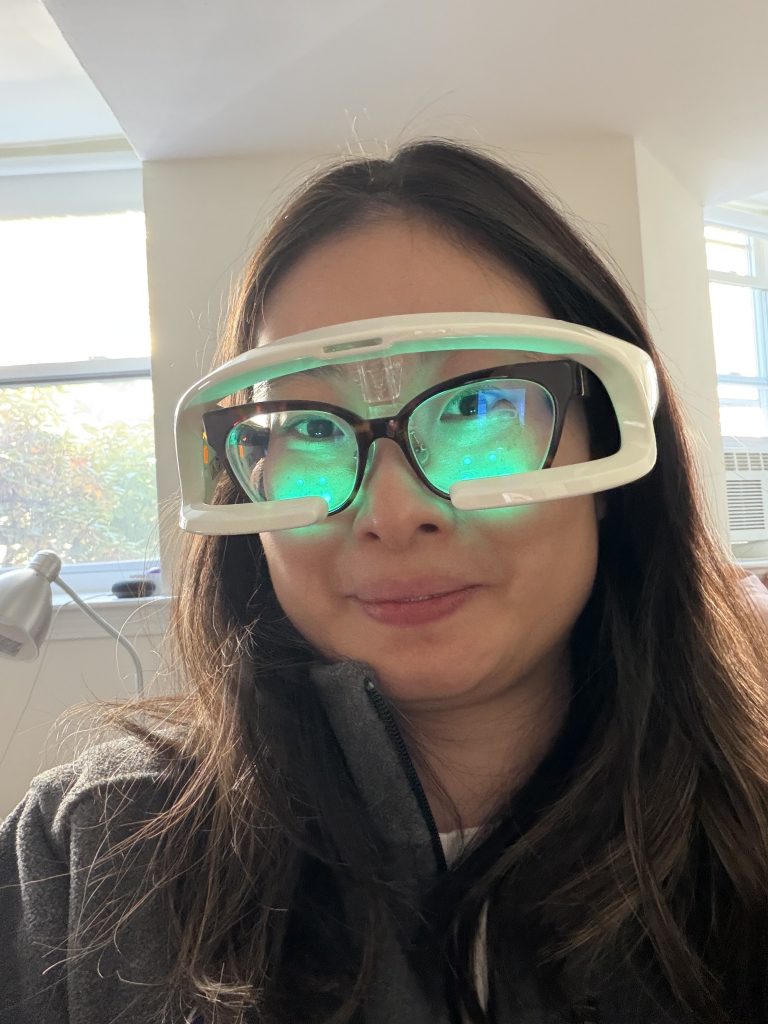
© DART Lab


Through their work with smartphones and wearables, the team has been able to find patterns showing when teens are more likely to turn to substance use, meaning that help can be provided at the right time. “When we detect these patterns, we aim to deliver brief, targeted digital interventions before teens fall into a pattern of using substances to cope,” says Joe.
More to come
The team has also started exploring the role of circadian rhythms in pain, cannabis use and sleep. “Our bodies have an internal 24-hour clock, managed by the brain, which regulates sleep and alertness as well as mood, pain sensitivity and immune function,” explains Joe. “During the teen years, this clock naturally shifts later, resulting in later bedtimes.” However, the early start of a typical school day clashes with this shift in teenagers’ natural cycles, which can lead to them missing out on sleep. “Our next step is to develop interventions that target the circadian clock,” says Joe. “This is an exciting approach because circadian disruption may represent a shared biological pathway linking pain sensitivity, mood regulation and substance use risk.”
Combining different research angles, Joe and his team aim to provide accessible, personalised and ongoing support that is helpful in the long-term. “Our hope is that our work can help teens with pain get back to full, active and fulfilling lives,” says Joe.
Support information
(UK) youngminds.org.uk/young-person/ coping-with-life/drugs-and-alcohol
“If you are self-medicating to deal with pain, sleep problems, or anxiety, the most important thing you can do is talk to someone you trust (a parent, teacher, counsellor or general practitioner) so you can find approaches that truly work for you.” – Joe
 Dr Joe Kossowsky
Assistant Professor of Anaesthesia, Harvard Medical School; Director, Laboratory for Digital Assessment, Research, and Treatment (Dart Lab), Boston Children’s Hospital, USA
Fields of research: Paediatric pain; critical care; pain medicine; sleep medicine; clinical psychology; neuroscience; anaesthesia
Research project: Studying the risks for teenagers self-medicating with cannabis to manage chronic pain
Funders: US National Institutes of Health (NIH), National Institute of Drug Abuse (NIDA)
This work is/was supported by the NIH/NIDA, under award number K01DA057374. The contents are solely the responsibility of the authors and do not necessarily represent the official views of the NIH.
Website: research.childrenshospital.org/research-units/dart-lab-research
About paediatric pain research
Paediatric pain research is a field which looks to diagnose, manage and treat pain in adolescents, as well as to understand the impacts of health conditions on young people as they grow up. It falls within the larger category of anaesthetics – a medical field focused on pain management and pain relief.
Researchers in this field might work within community groups, schools, hospitals and laboratories. It is a collaborative field that involves a wide range of people working together to come up with the best solutions. “Paediatric pain research brings together psychologists, physicians, physical therapists, neuroscientists and data scientists, as well as experts in bioinformatics and digital health,” says Joe.
The interdisciplinary nature of the field makes it highly rewarding. “It is intellectually exciting to see how different perspectives fit together, and how we can work together to develop novel interventions and better understand why some teens develop persistent pain while others recover,” explains Joe. “At the same time, there are still many unanswered questions, both in how we assess paediatric pain and how we treat it effectively. The possibility that our research can directly inform better, more personalised interventions for teens with pain is incredibly meaningful.”
It is a very exciting time to enter paediatric pain research. “The next generation will have remarkable tools at their disposal,” says Joe. “Wearable technologies and biosensors are evolving at tremendous speed, making it possible to continuously monitor not just sleep and activity, but also physiological signals like heart rate variability and skin conductance that may reflect pain and stress in real time.”
Machine learning and AI are providing new ways to find patterns in these large datasets that would have been impossible to detect even a decade ago. “Together with advances in genomics and digital therapeutics, the field is moving toward more personalised and precise treatments for individual patients,” says Joe.
Pathway from school to paediatric pain research
Get a good grounding in biology, chemistry, physics and, if possible, psychology while in high school. Language skills are also important, as being able to communicate well with others is an important part of working as a paediatric pain researcher.
There are various ways to enter paediatric pain research, with degrees in psychology and neuroscience being common pathways. “Because paediatric pain is such a multidisciplinary field, many different subjects can be beneficial for a future career in pain research,” says Joe. “Some of these subjects include psychology, biology, medicine, neuroscience, occupational therapy, physical therapy, statistics and computer science.”
After obtaining a bachelor’s degree, you will need a master’s degree and PhD to work in research like Joe.
If you live in Boston or Massachusetts, Joe recommends applying for Harvard Medical School’s Project Success or the AP Biology Hinton Scholars Program.
Explore careers in paediatric pain research
“To get experience, explore summer research opportunities at children’s hospitals or university labs. Volunteering in a ‘child life programme’, which offers educational and emotional support to children and their families in paediatric hospitals, can provide a meaningful window into what patients and their families experience,” says Joe. The Boston Children hospital has internship programmes that Joe recommends.
To explore the field, have a look at the International Association for the Study of Pain, which has a Paediatric Special Interest Group. “The International Symposium for Paediatric Pain is also a very welcoming community,” Joe adds. The symposium is organised every two years, with the next event being in 2027.
“My Canadian colleagues have a wonderful programme, which is a great starting point for learning more about current thinking in pain research,” adds Joe.
Meet some of the DART Lab team
 Nicole Tacugue
Study Coordinator
Fields of research: Paediatric pain research; clinical psychology
Growing up, I always enjoyed art and graphic design. Cultivating a creative mindset taught me to consider how people receive and understand information in different formats.
I majored in neuroscience and psychology in college, where I quickly became fascinated with the realm of sleep while working as a lab volunteer. As a graduate student, I participated in an internship programme with Dr Kossowsky’s lab.
A rewarding part of my work as Study Coordinator is explaining to young patients how their participation in our studies is helping to improve current knowledge and benefit others just like them. It’s especially rewarding to see all our team’s efforts culminate in publications and witness how participants’ contributions are reflected in the findings. The most challenging aspect of research is accepting that meaningful change isn’t immediate and takes time.
My proudest career achievements thus far are acting as first-author on my first publication and coordinating a workshop where I used my artistic background to teach students the importance of sleep in creative ways.
To switch off from the pressures of work, I intentionally spend my free time engaging in enjoyable activities that also reinforce my creative identity beyond the workplace. In the future, I aspire to attend medical school and apply what I’ve learnt in clinical research to improving patient care as a physician.
Nicole’s top tips
1. Always say yes to opportunities that interest you. Follow what excites you, even if those interests don’t seem to connect. Your experiences will come together to form a unique skill set that can benefit you in unexpected ways.
2. Do not be afraid to start something before you feel ready.
 Dr Bridget Nestor
Postdoctoral Research Fellow
Field of research: Clinical psychology
When I was younger, I enjoyed my classes, but I didn’t find a subject area I was particularly excited about until taking an introduction to psychology in my first year of college.
My family always emphasised the importance of finding work that contributed positively to society. Being a clinical psychologist is intellectually stimulating and provides an opportunity to support others, whether through research, teaching or clinical practice. My dad is also a clinical psychologist, so he inspired me, too!
In our lab, I am involved in all aspects of our projects from formulating research questions to analysing data, to writing up our results for publication. We use digital technologies, like Fitbits, for objective assessments of sleep and physical activity. We also use smartphones for real-time data from teens in their daily lives.
Research can be difficult, tedious and slow-going, but knowing that our work may be helpful for teens with various psychological and physical health challenges is certainly rewarding. I also really enjoy mentoring junior students/lab members as they learn about the research process.
Having supportive relationships helps me maintain a healthy work/life balance. I feel extremely grateful to work with and learn from such smart and kind colleagues (Dr Joe Kossowsky, Dr Camila Koike and Nicole Tacugue) – they make any challenges all the more bearable.
I am proud of all the work we do together in our lab. I hope to continue our research, with particular focus on novel sleep interventions for teens with chronic pain, as I think these could lead to real clinical benefit.
Bridget’s top tip
Be curious and find supportive colleagues and mentors.
Do you have a question for Joe, Nicole or Bridget?
Write it in the comments box below and he will get back to you. (Remember, researchers are very busy people, so you may have to wait a few days.)

Learn about research in paediatric oncology:
The post Chronic pain in teenagers: the risks of self-medicating with cannabis appeared first on Futurum.
“}]]