
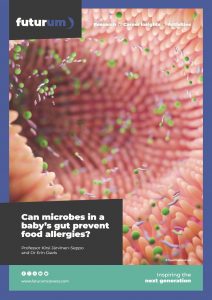
Can microbes in a baby’s gut prevent food allergies?
[[{“value”:”
Can microbes in a baby’s gut prevent food allergies?
Food allergies are becoming increasingly common in children, yet scientists still do not fully understand why some infants develop allergies while others do not. At the University of Rochester in the US, Professor Kirsi Järvinen-Seppo and Dr Erin Davis are investigating how an infant’s gut microbiome influences their risk of developing food allergies.
Talk like an immunologist
Allergen – a substance, such as a protein in food, that can trigger an allergic reaction in some people
Antibody – a specialised protein made by the immune system that recognises and helps neutralise harmful substances such as bacteria or pathogens
Gut barrier – the protective lining of the intestines that controls what substances enter the bloodstream
Gut microbiome – the community of microorganisms, including bacteria, viruses, fungi and archaea, that live in the digestive tract
Perinatal antibiotics – antibiotics given to a mother or infant shortly before, during or after birth
Sensitisation – the process by which the immune system becomes increasingly reactive to a substance after initial exposure
Tolerance – the immune system’s ability to recognise a substance as harmless and avoid reacting to it
Around 1 in 13 children experience food allergies, making them one of the most common chronic health conditions affecting young people. They occur when the immune system reacts to certain foods as if they were harmful, even though they are usually safe to eat. For example, some of the most common food allergies are caused by proteins found in cow’s milk, eggs, peanuts, wheat and fish.
Some allergic reactions happen quickly and can cause symptoms such as vomiting, coughing or wheezing. Other reactions develop more slowly and may involve stomach pain, diarrhoea or bloody stools. “Genetic predisposition to allergic disease plays a big role in the development of food allergies,” says Professor Kirsi Järvinen-Seppo at the University of Rochester. “However, exposure to perinatal antibiotics, the make-up of the infant gut microbiome and the timing of exposure to specific food allergens have also been shown to have a significant effect.”
Why does the immune system sometimes mistake food for a threat?
The immune system is designed to protect the body from harmful invaders such as bacteria and viruses. However, in people with food allergies, this system reacts to harmless food proteins as if they were dangerous. One important factor influencing this process is how the body first encounters a food. “For example, skin exposure to food allergens is more likely to lead to a child developing an allergic reaction, whereas oral exposure is more likely to lead to them developing tolerance,” explains Kirsi.
What is the gut microbiome and how could it influence food allergies?
“The gut microbiome is the collection of microorganisms that live in our gastrointestinal tracts,” explains Dr Erin Davis, a postdoctoral fellow in Kirsi’s laboratory. Although some microorganisms are present in everyone’s gut microbiome, the specific amounts and types of bacteria in each of our guts is unique and changes as we grow. For example, a child’s gut microbiome is often less diverse but more dynamic than an adult’s, with the diversity increasing as they are exposed to more environmental and dietary factors. A child’s gut microbiome begins to stabilise at around two years old, but will continue to change throughout their adolescence.
“Our gut microbiomes play a vital role in digesting nutrients such as fibre, protecting us from harmful pathogens, synthesising vitamins, influencing the nervous system and shaping our immune responses,” says Erin. Because of these important functions, scientists have linked gut microbiome composition to several health conditions, including allergic diseases. Studies have shown that infants who develop food allergies often have different levels of certain gut bacteria compared to those who do not. However, researchers are still working to understand exactly how these microbes – and the molecules they produce – interact with the immune system to either protect against allergies or increase the risk of developing them.
How do allergy rates differ between farming and urban communities?
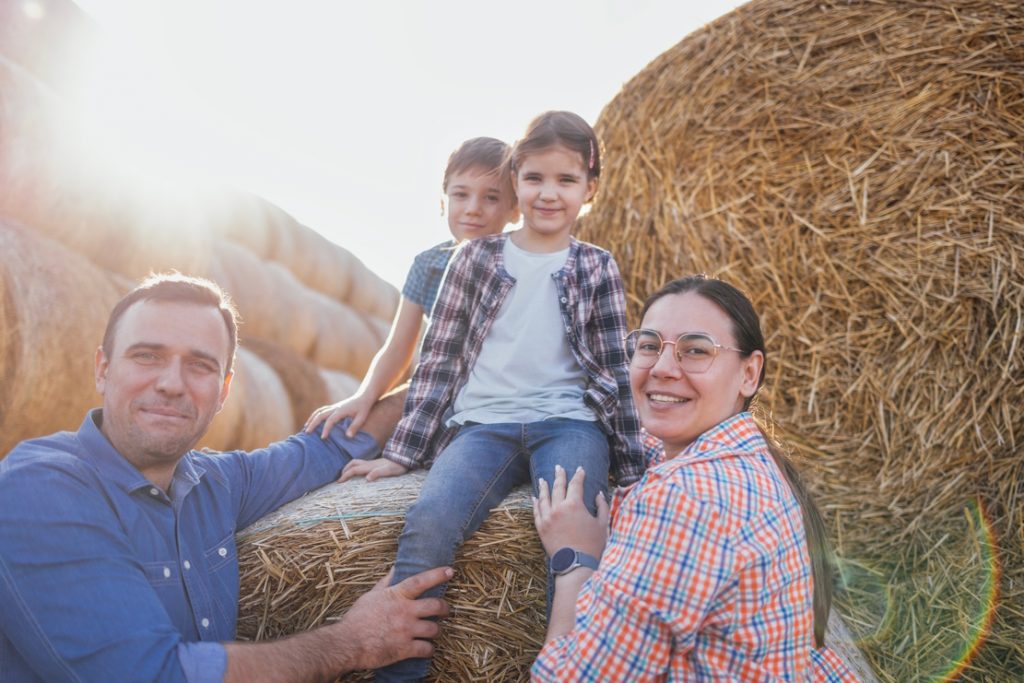
Scientists have noticed that children raised in rural farming communities often have lower rates of allergic diseases and asthma than those growing up in cities. Kirsi’s lab studied infants from a traditional farming community known as the Old Order Mennonites in Western New York and compared them with infants living in urban environments.
“We found that by 12 months of age, only 3% of infants in the Old Order Mennonite farming community had atopic eczema, an inherited skin condition, and none had food allergies,” says Kirsi. “In contrast, among urban infants at high risk of allergic disease, 25% had atopic eczema and 11% had food allergies.”
Although the reasons for these differences are not yet fully understood, the team has found that immune cells and antibodies vary between farming and urban infants. They believe that differences in the gut microbiome and early-life exposure to certain foods, including breast milk, may help explain these patterns.
Reference
https://doi.org/10.33424/FUTURUM696

How does breast milk influence food allergy development?
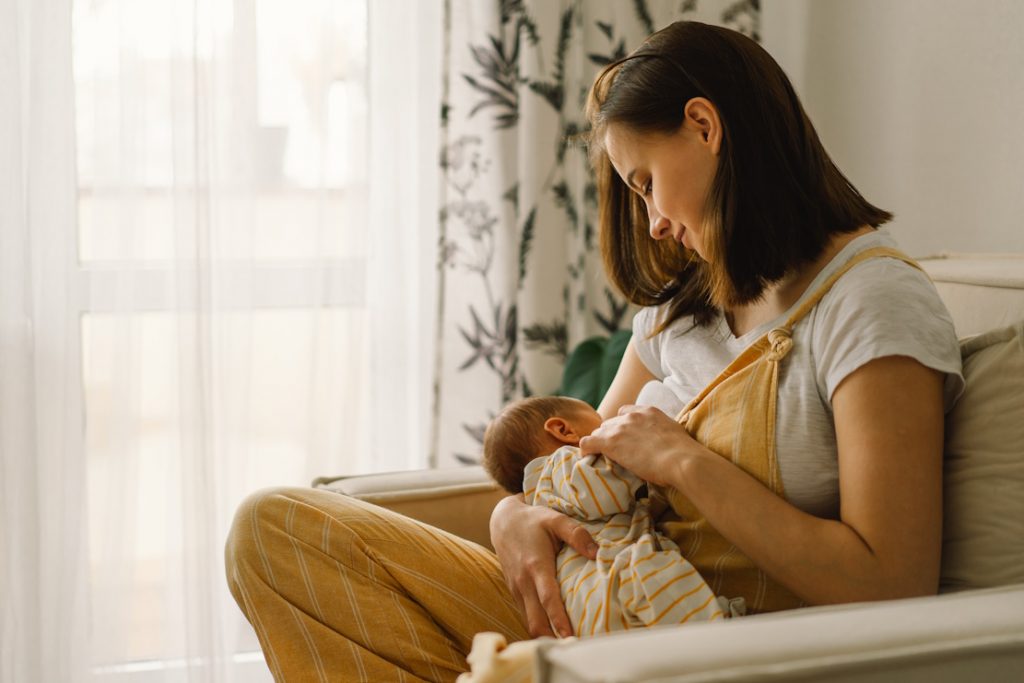
Breast milk plays an important role in shaping an infant’s gut microbiome, which is essential for healthy immune development. “It contains oligosaccharides, a type of carbohydrate, that are not digestible by the infant but can be broken down by certain bacteria,” says Erin. “In breaking down breast milk oligosaccharides, bacteria can produce metabolites that may reinforce the infant’s gut barrier and potentially increase their tolerance to certain foods, protecting against food allergies.”
Breast milk can also contain antibodies that recognise food proteins, which may help protect infants from developing allergies. A mother’s diet can influence the composition of her milk – for example, eating certain foods may increase the levels of related antibodies or nutrients, such as fatty acids. Kirsi’s lab found that women living in traditional farming communities produce breast milk with different levels of antibodies, fatty acids and oligosaccharides compared to women living in urban environments, which may contribute to differences in allergy risk.
How could the team’s research help prevent food allergies in the future?
“Our programme is focusing on the prevention of food allergies,” says Kirsi. By identifying early-life exposures, like the healthy infant microbiome, that help the immune system develop tolerance to foods, her team hopes to design new strategies that reduce the risk of allergies in infants. At the same time, they are working to identify biomarkers – measurable signs that show whether a child is developing tolerance or sensitisation to certain foods – which could help doctors monitor prevention strategies and identify infants at higher risk.
 Professor Kirsi Järvinen-Seppo
Chief of Pediatric Allergy and Immunology
Dr Erin Davis
Postdoctoral Fellow
Department of Pediatric Allergy and Immunology, University of Rochester, USA
Fields of research: Paediatric allergy; immunology
Research project: Investigating how the infant gut microbiome and early-life exposures influence immune development and the risk of food allergies
Funders: US National Institutes of Health (NIH); National Institute of Allergy and Infectious Diseases (NIAID); United States Department of Agriculture (USDA); Janssen R&D
About paediatric allergy and immunology
The intersection of paediatric allergy and immunology involves investigating how the immune system develops and reacts to allergens in children. Over the past few decades, the field has advanced rapidly. “When I started practising food allergy, we had no therapies available except strict avoidance of trigger foods and preparation to treat reactions,” says Kirsi. Today, several treatments exist to manage food allergies, and promising prevention strategies are being developed.
Working in this area comes with unique challenges. Accessing the human tissues involved in allergic reactions, such as the intestinal tract, is complicated, making it difficult to study the underlying mechanisms. Researchers are developing innovative laboratory models, such as artificial guts, to simulate these tissues and test potential treatments. Scientific research also requires persistence, as experiments or analyses do not always go as planned. “Getting experience in a research laboratory and getting used to working through and learning from setbacks will be invaluable,” says Erin. “Surrounding yourself with supportive colleagues will make working through any challenge far easier.”
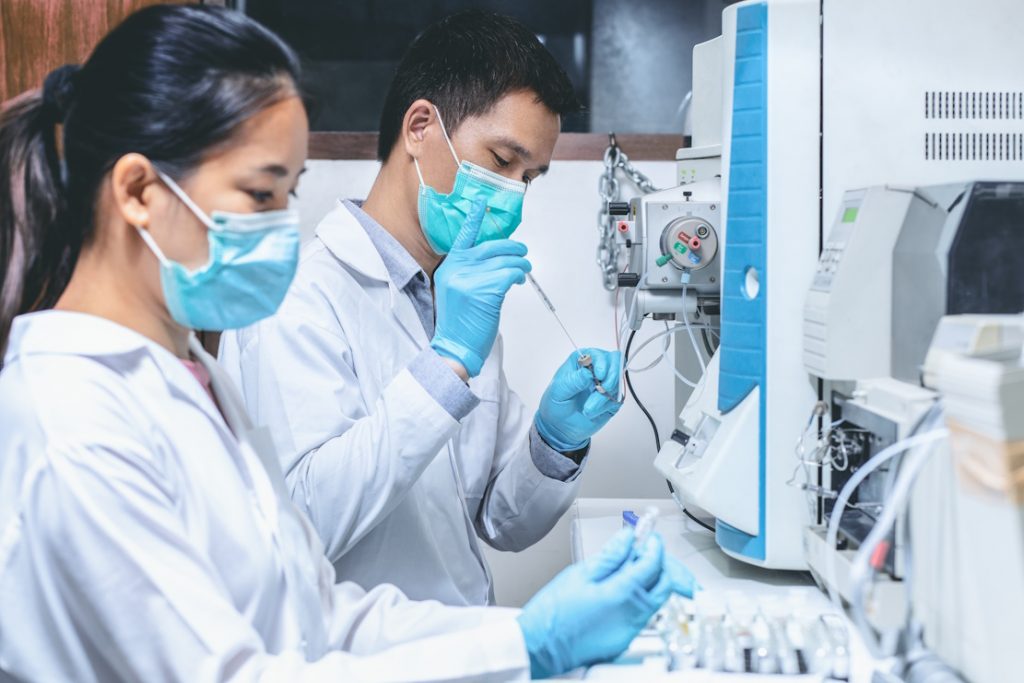
A typical day studying paediatric allergy and immunology involves a mix of lab work and data analysis. “Much of my day is currently spent performing statistical analyses on data we have generated in the lab, creating scientific figures, discussing results with colleagues, presenting findings at meetings or conferences, and writing papers to hopefully get those data published,” says Erin. “Earlier in my career, I also spent time preparing samples, performing experiments and mentoring students in the lab.”
Pathway from school to paediatric allergy and immunology
Study science subjects at school, such as biology and chemistry, to prepare for further study at college or university.
Conducting research in a laboratory as a high school or undergraduate student, or participating in a summer research programme, can also be valuable, whether you are aiming for a clinical or research-focused career.
Explore careers in paediatric allergy and immunology
Organisations such as the American Academy of Allergy, Asthma and Immunology, the European Academy of Allergy and Clinical Immunology and the American Association of Immunologists provide useful information for students interested in paediatric allergy and immunology.
“There are numerous careers in paediatric allergy and immunology, including those that treat patients in a clinical setting, such as a physician, nurse or dietitian,” says Erin. “You could also work as a scientist, either conducting research at an academic institution or working at a company developing therapeutics to prevent allergic disease.”
“My tip is to get as much exposure as possible,” says Erin. “Reach out to a paediatric allergist or immunologist in your local community or university and see if you can shadow them in clinic or work in their lab if they are conducting research.”
Meet Kirsi
 I grew up in Finland and was interested in being a good student so that I could make it into medical school. I had no idea about biomedical research and only discovered that pathway later.
I love learning from my patients and understanding what they and their families need. Then I can try to answer their questions with the help of my research team and hopefully get some solutions back to the clinic. I enjoy that every day is different, and that I can move the field forward with my persistence.
The possibility to advance medical knowledge and make a big impact in the lives of children with allergies is motivating for me. I love being able to do translational research in my laboratory where we work on clinically important questions.
Curiosity, courage, integrity, persistence and kindness have allowed me to lead a successful career. Being trained by excellent scientists and clinicians, and engaging in professional opportunities, such as presenting at conferences, reviewing grant applications and networking, have also been key.
To unwind from work, I exercise, listen to music, do gardening, travel, and spend time with family and friends.
Kirsi’s top tip
Look for a role model who can train you.
Meet Erin
 For as long as I can remember, I have been interested in paediatric chronic disease prevention. This is probably because I grew up watching my parents, both paediatric healthcare professionals, take care of chronically ill children. I wanted to understand how to stop diseases before they started, or at least decrease associated symptoms. It wasn’t until I started doing clinical nutrition research in college that I realised that I wanted to engage in the field from a nutrition perspective. I became particularly interested in infant nutrition and the microbiome because nutrition is the principal driver of infant microbiome composition, which is associated with short- and long-term health and susceptibility to multiple diseases, including allergies.
I love working as a team with my colleagues to discover something new – information that inches us just a little closer solving the puzzle that is early allergic disease development. The long, spontaneous conversations in the lab about a new piece of data or hypothesis that has us buzzing are some of my favourites.
I am motivated by the potential to develop strategies to prevent the onset of these allergic diseases, allowing children to lead healthy lives and enjoy all activities, experiences and foods without worrying about or feeling the daily burden of their disease.
I’m a nutrition scientist by training, so I had a steep learning curve when joining an immunology lab for my postdoctoral research. My curiosity and communication skills continue to help me engage effectively with my colleagues, ask a lot of questions, gather and learn new information quickly, and collaborate effectively. Supportive environments, colleagues and mentors have also been exceptionally important in the success I have had so far.
I’m a foodie. When I’m not working, you can often find me at a new or well-loved local restaurant, watching cooking videos, or cooking in my own kitchen with a nice vinyl record on in the background.
Erin’s top tip
Reach out to clinicians or researchers. They can connect you with other trainees in the field and refer you to relevant, credible sources of information and research for you to explore.
Do you have a question for Kirsi or Erin?
Write it in the comments box below and they will get back to you. (Remember, researchers are very busy people, so you may have to wait a few days.)
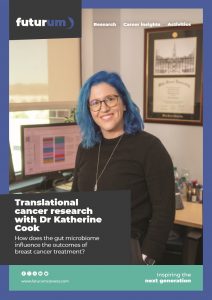
Learn about how the microbiome influences breast cancer treatments:
futurumcareers.com/translational-cancer-research-with-dr-katherine-cook
The post Can microbes in a baby’s gut prevent food allergies? appeared first on Futurum.
“}]]