
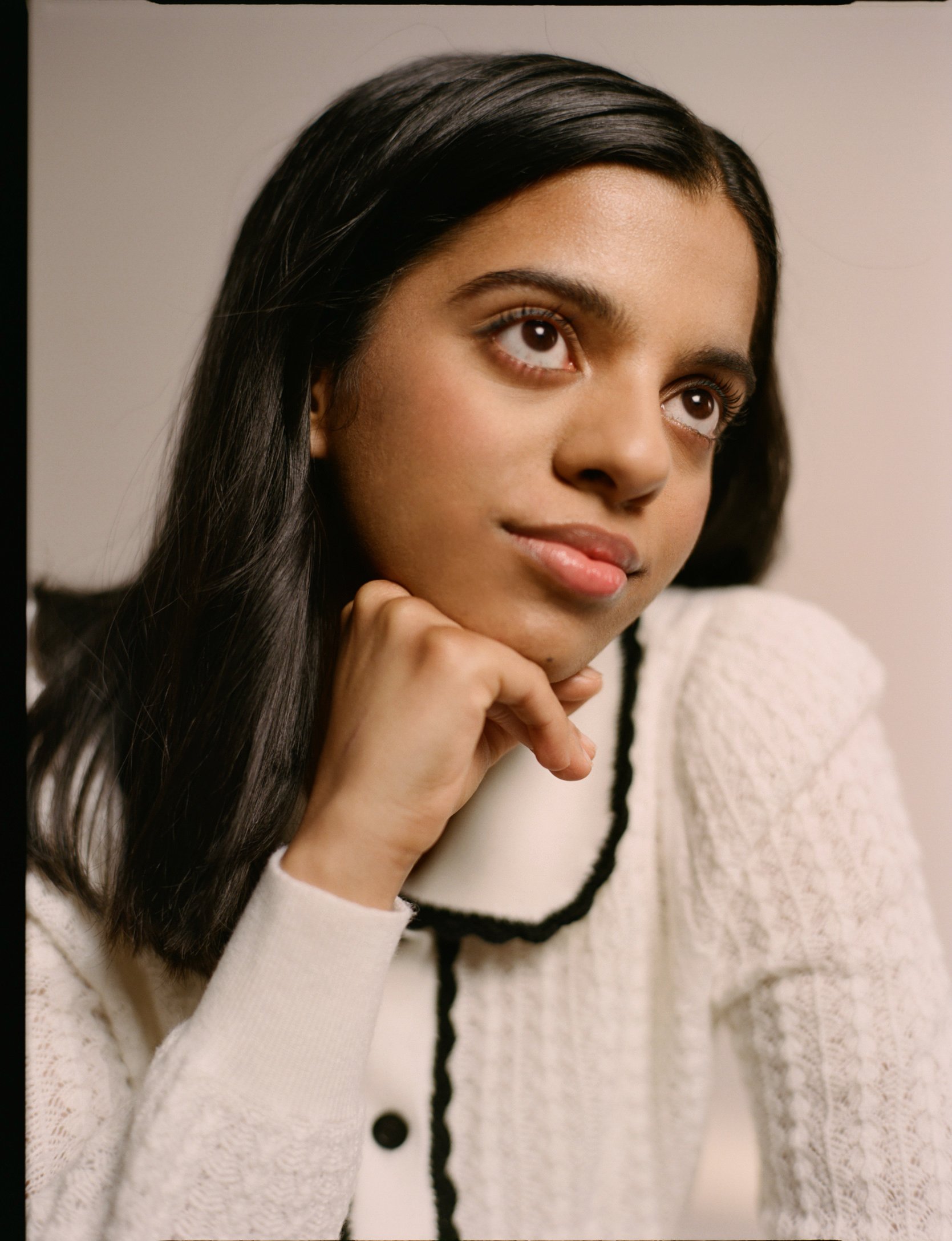
Flight Crew Alum Neha Shukla, Now a Leading AI Ethicist, On What’s Missing from AI Education
[[{“value”:”
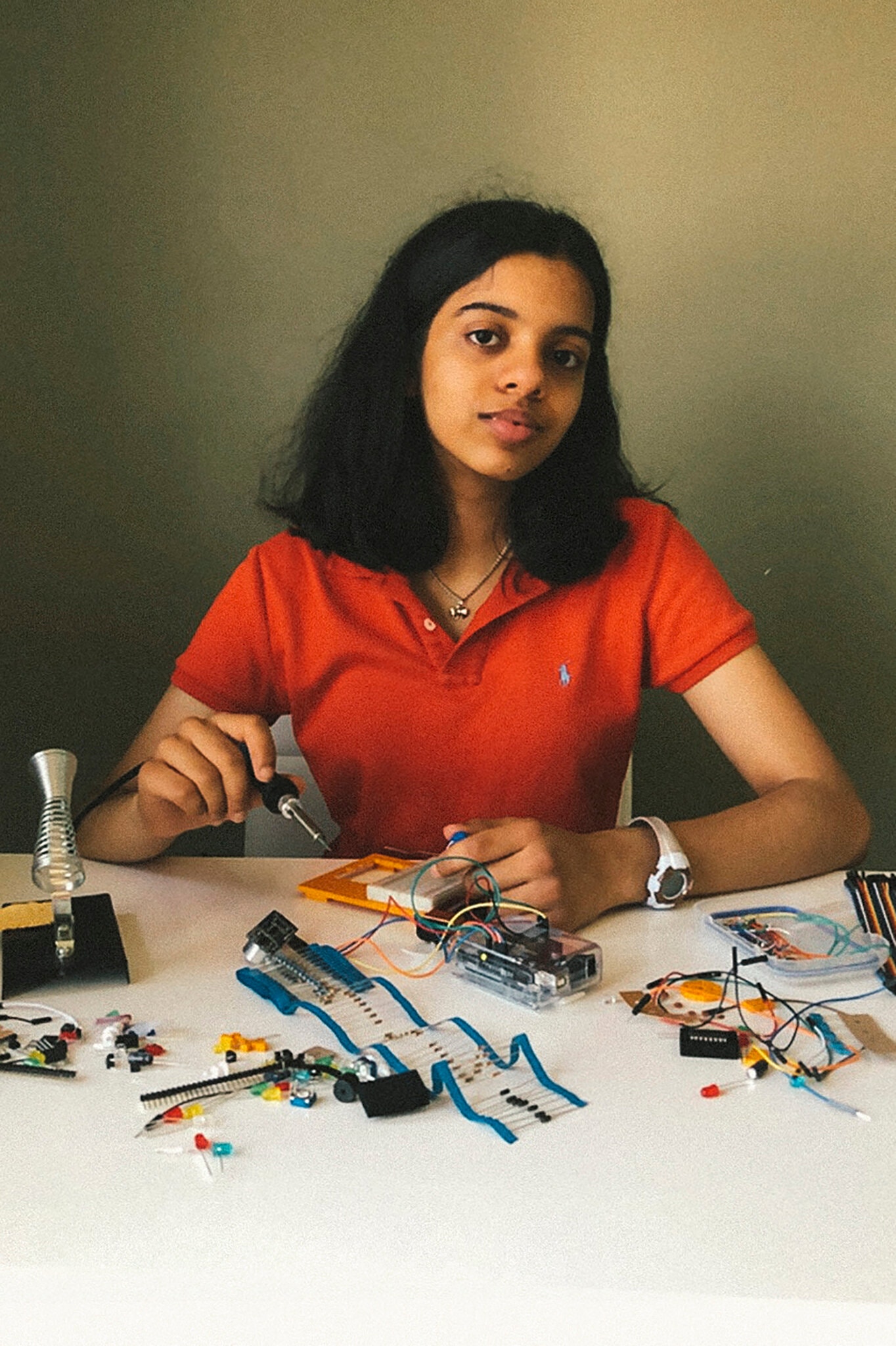
When Neha Shukla first started in computer science, she wasn’t in a traditional classroom setting. She was 15, in a small town in Pennsylvania, teaching herself to code during the COVID-19 pandemic and trying to solve a problem she saw all around her community.
“I wanted to channel that sense of hopelessness [about COVID-19] into action,” she says. “I taught myself to code in my makeshift bedroom lab, and I built a prototype of a wearable social distancing device to save lives.”
Neha was selected to join STEM Next’s Flight Crew cohort in 2023 representing Pennsylvania to share her STEM journey and inspire other teens to see themselves in STEM. Today, at just 21 years old, Neha is a nationally recognized thought leader in AI ethics and the impact of AI on young people.
She is also a researcher studying emerging risks in AI systems at Duke University, a two-time bestselling author, and the former chair of the World Economic Forum’s Generation AI Youth Council.
At the heart of all of her important and exciting work is a simple belief about AI literacy: we need to understand AI and how it works to ensure AI is used responsibly and ethically.
Demystifying AI
For many young people and adults alike, AI can feel like an unknown entity: powerful, mysterious, and often unquestioned. Neha wants to change that.
“AI is not magic, it is math and data,” she explains. “The more you look under the hood, the more you understand how these systems work.”
That understanding is what defines true AI literacy: knowing how the tools we use function, where they come from, and what their limitations are. Without that foundation, Neha warns, it’s easy for people to use AI tools irresponsibly or accept their outputs at face value.
“Don’t over-rely on generative AI tools. There’s so much power in your own voice and ideas, and preserving your sense of agency is really important,” she says to young people.
Through AI research, grassroots organizing, collaboration with companies, and education outreach, Neha and her nonprofit organization, Innovation for Everyone, are sparking global, nuanced conversations about AI ethics. Her organization has reached over 70,000 students in over 35 countries, and recently received a challenge grant from Young Futures alongside other major AI literacy organizations.
AI education should go beyond the chatbot
Neha believes one of the biggest gaps in AI education today is a focus on tools over understanding. While generative AI has captured public attention, she points out that it represents only a small slice of what AI actually is and how it impacts the world.
Instead, she advocates for a more grounded approach that includes both technical foundations and real-world context.
At a basic level, generative AI chatbots such as ChatGPT or Claude are not thinking or knowing things; they’re predicting what comes next based on patterns in data. “If you can show someone the probability logic in picking the next [word], I think it really demystifies it,” she says.
When you show students even a simplified version of this process, it changes how they see AI. It stops feeling like a magical, all-knowing system and starts to look like what it actually is: a statistical model trained on huge amounts of data. Once students understand this, they’re far more likely to question it, challenge it, and use it thoughtfully.
Neha also points to a broader ecosystem of AI, including machine learning and deep learning systems that are already shaping the world, from detecting tumors in medical scans to tracking wildlife migration. Understanding these applications, she argues, helps young people see AI not just as a tool for convenience, but as a powerful force with real-world impact.
The role of afterschool in AI literacy
For Neha, afterschool programs played a transformative role in her own journey. Without access to computer science classes in school, she found community, confidence, and opportunity through out-of-school programs.
“My experience with afterschool was so transformative. I would not be here today without the free programs that raised me.”
That experience shapes how she sees the role of afterschool in AI literacy today. “I think afterschool is actually poised to have a really powerful role in the AI literacy space,” she says. “It’s just such a perfect place to start introducing concepts about AI and civic engagement, like what does it look like to write a letter to the editor, what does it look like to speak with your elected official, and what does it look like to code an app to solve a problem in your community?”
Afterschool spaces have the flexibility to explore complex topics and to connect technical learning with real-world use cases, inspiring kids to use AI to make a positive impact. Neha also notes that afterschool programs have the opportunity to discuss issues like bias, discrimination, and environmental impact more openly than they may be able to in school settings.
Why youth voice belongs in AI decision-making
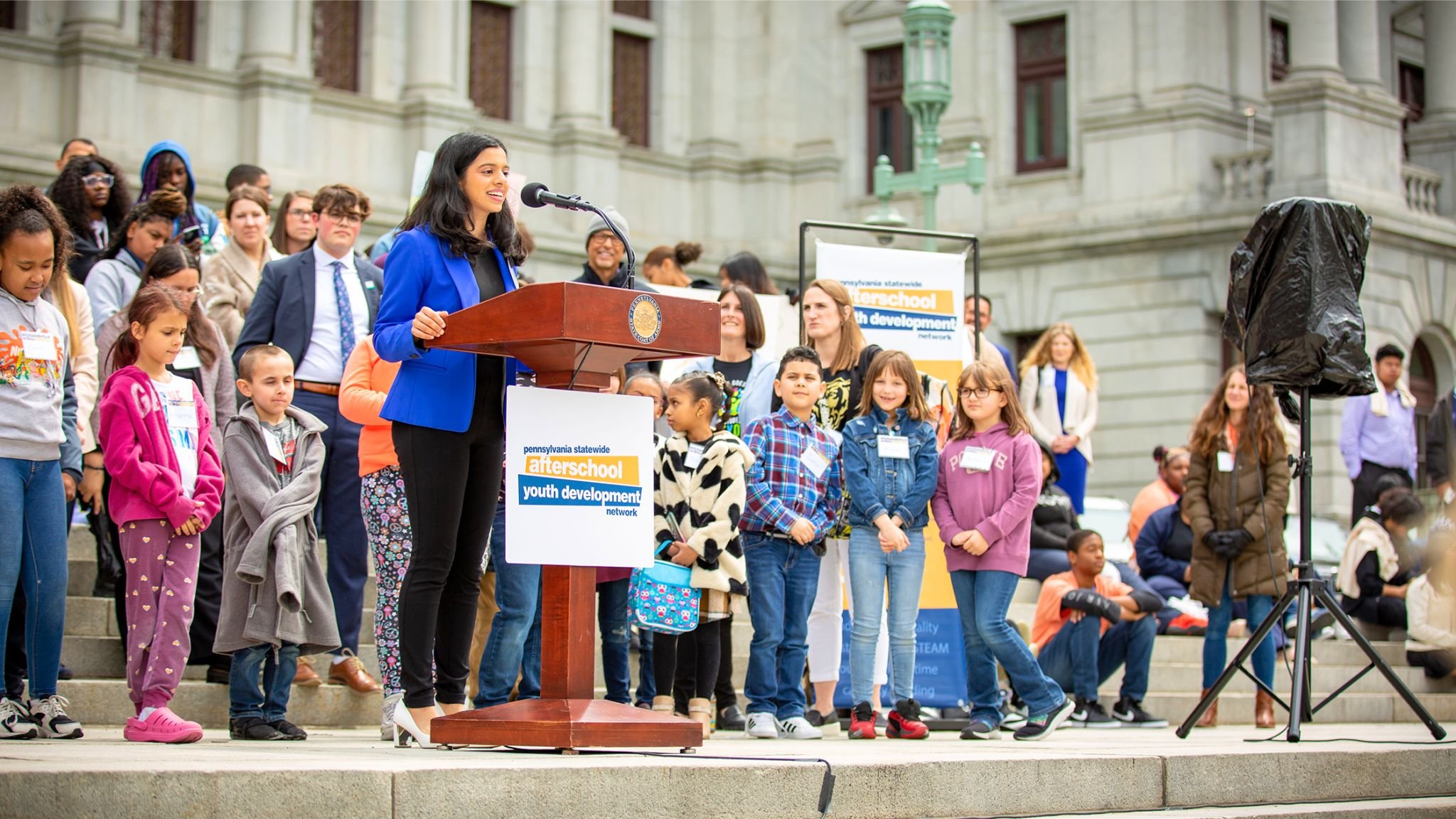
Throughout her work, from advising global organizations to leading youth research, Neha has seen firsthand how often young people are left out of conversations about technologies shaping their lives.
Her message to the next generation is clear: your voice matters now, not later.
“Don’t be afraid to raise your voice and to challenge systems,” she says. “Your lived experience is as important as decades of work experience in the field.” In her vision for the future of AI, young people are informed participants and decision-makers.
Her experience in the STEM Next Flight Crew helped shape how she advocates, giving her a strong sense of community, confidence in her voice, and the support to grow in her field. Neha advises other young people interested in STEM advocacy to use their voices boldly, trust the value of their lived experiences, and not be afraid to challenge systems, even when speaking up feels intimidating.
Building a more thoughtful AI future
For all the risks and challenges she studies, Neha remains hopeful. She points to more powerful examples of AI being used for good such as in women’s healthcare research and machine translation’s role in broadening global communication.
But getting to a future where AI is used responsibly and ethically requires intention, she said.
“We won’t get there if we don’t have everyone, including young people, understanding AI, learning it, and pushing back on systems.”
STEM Next is working with afterschool programs across the country in partnership with Qualcomm to bring AI literacy education to thousands of young people. Learn more about our pilot project and our other AI initiatives.
The post Flight Crew Alum Neha Shukla, Now a Leading AI Ethicist, On What’s Missing from AI Education appeared first on STEM Next.
“}]]